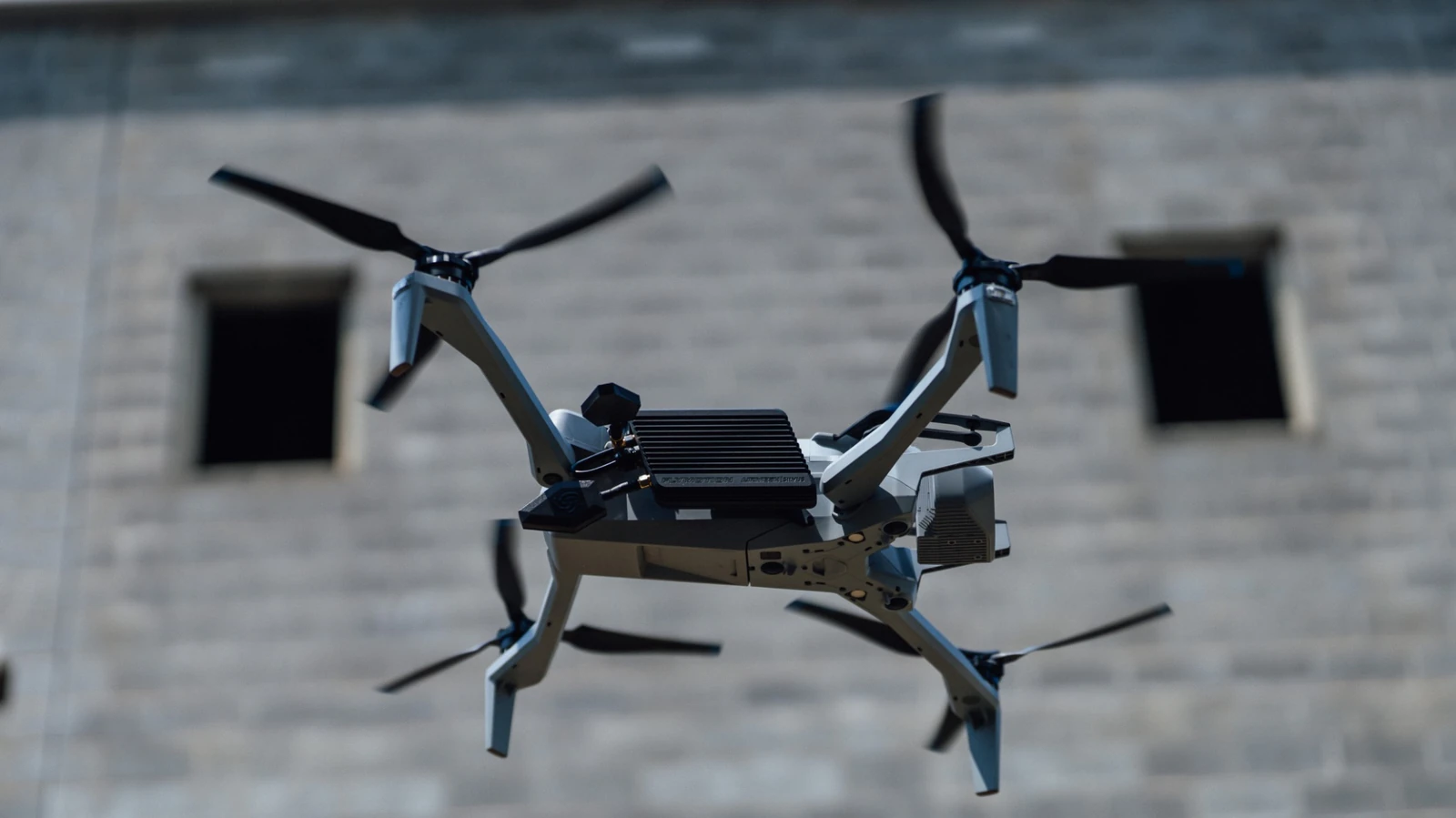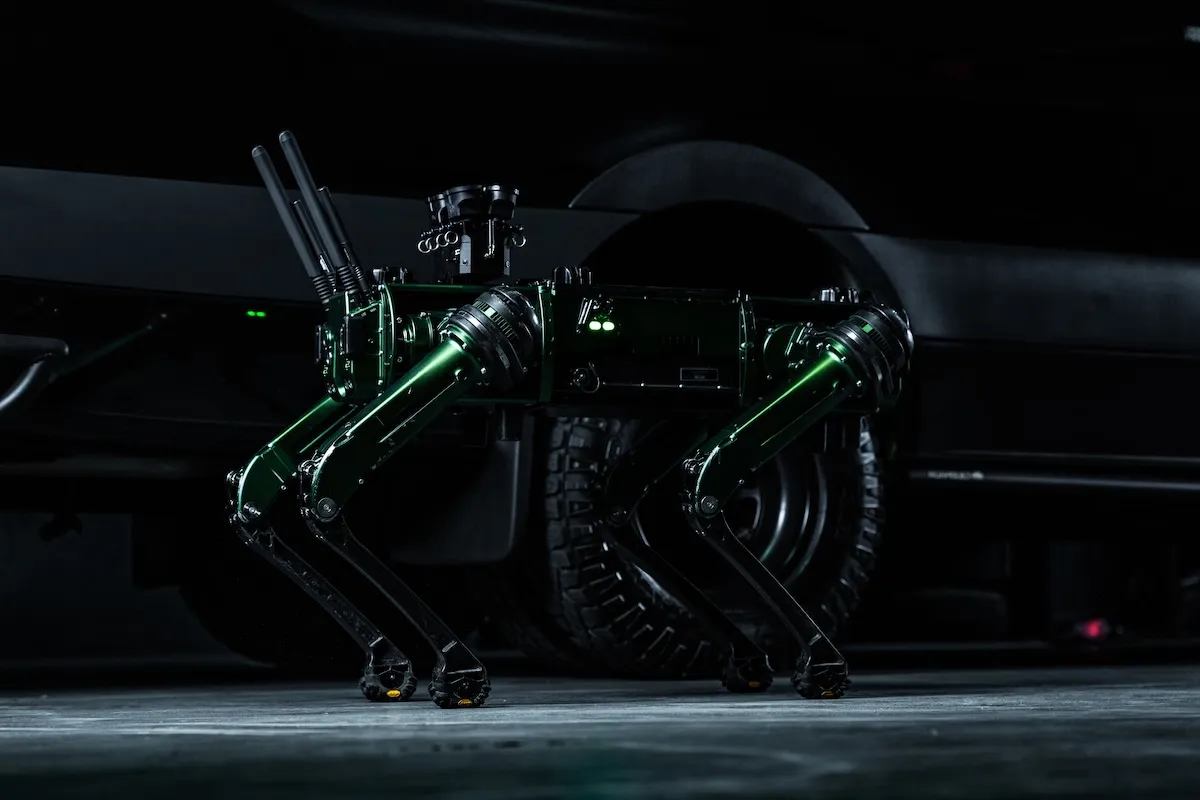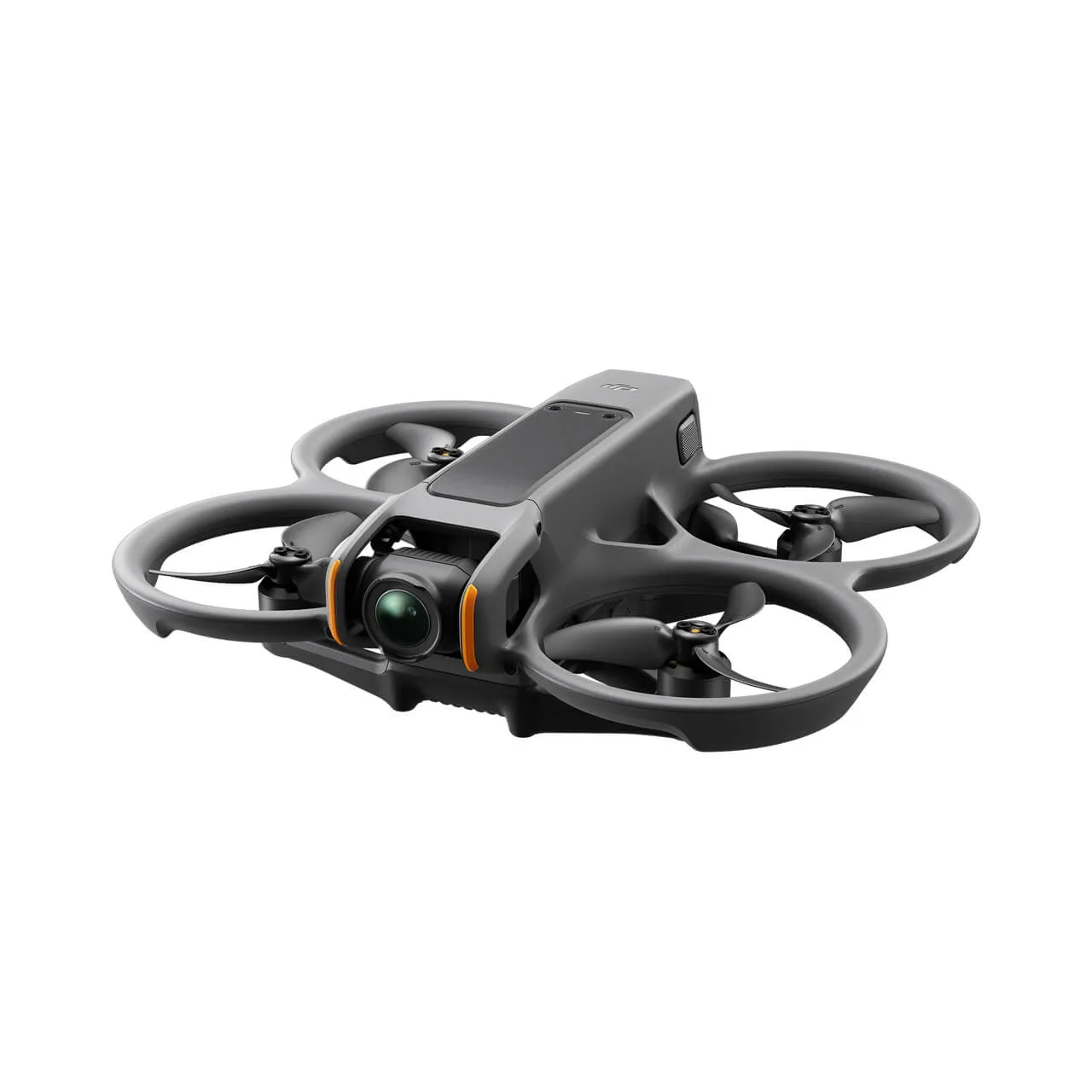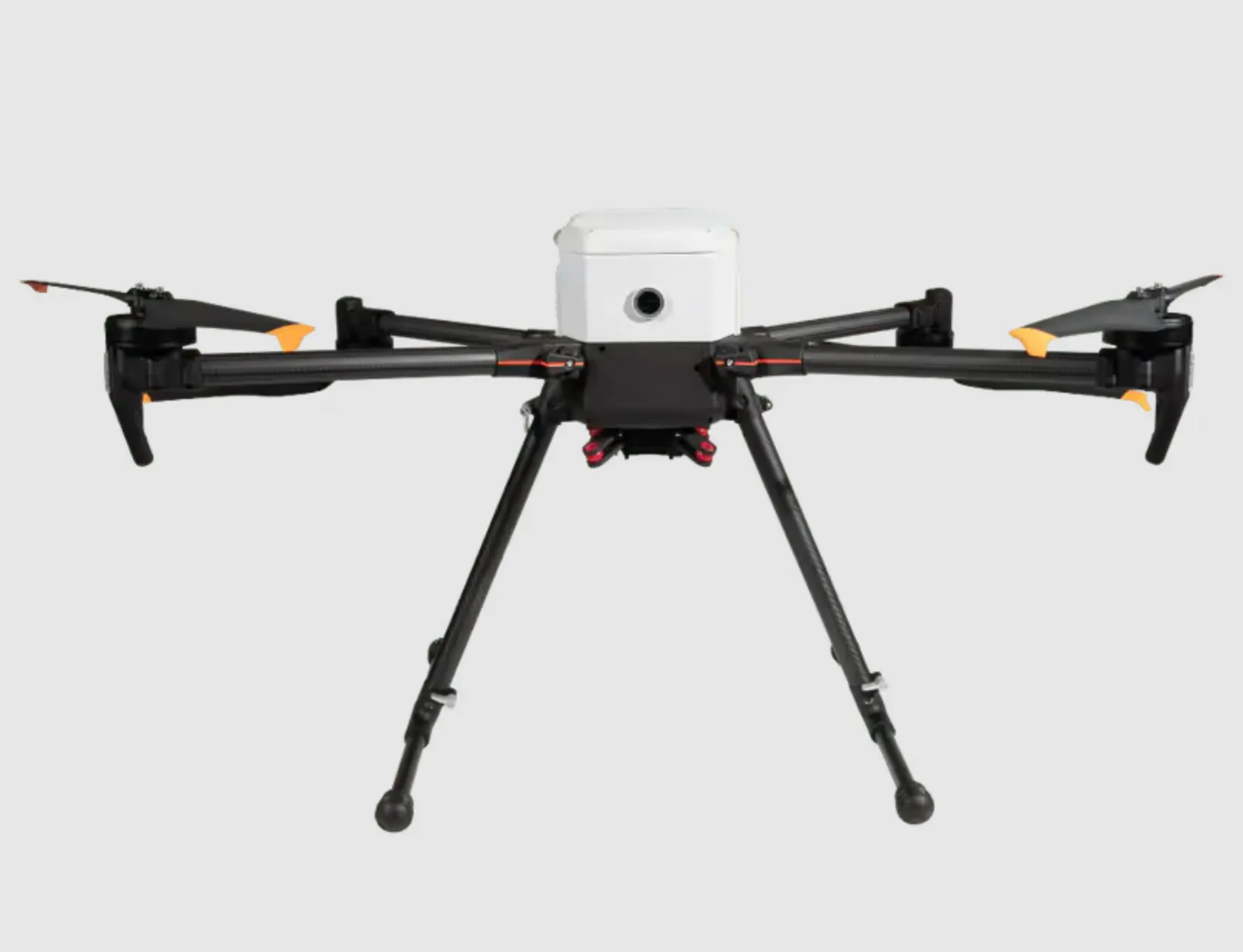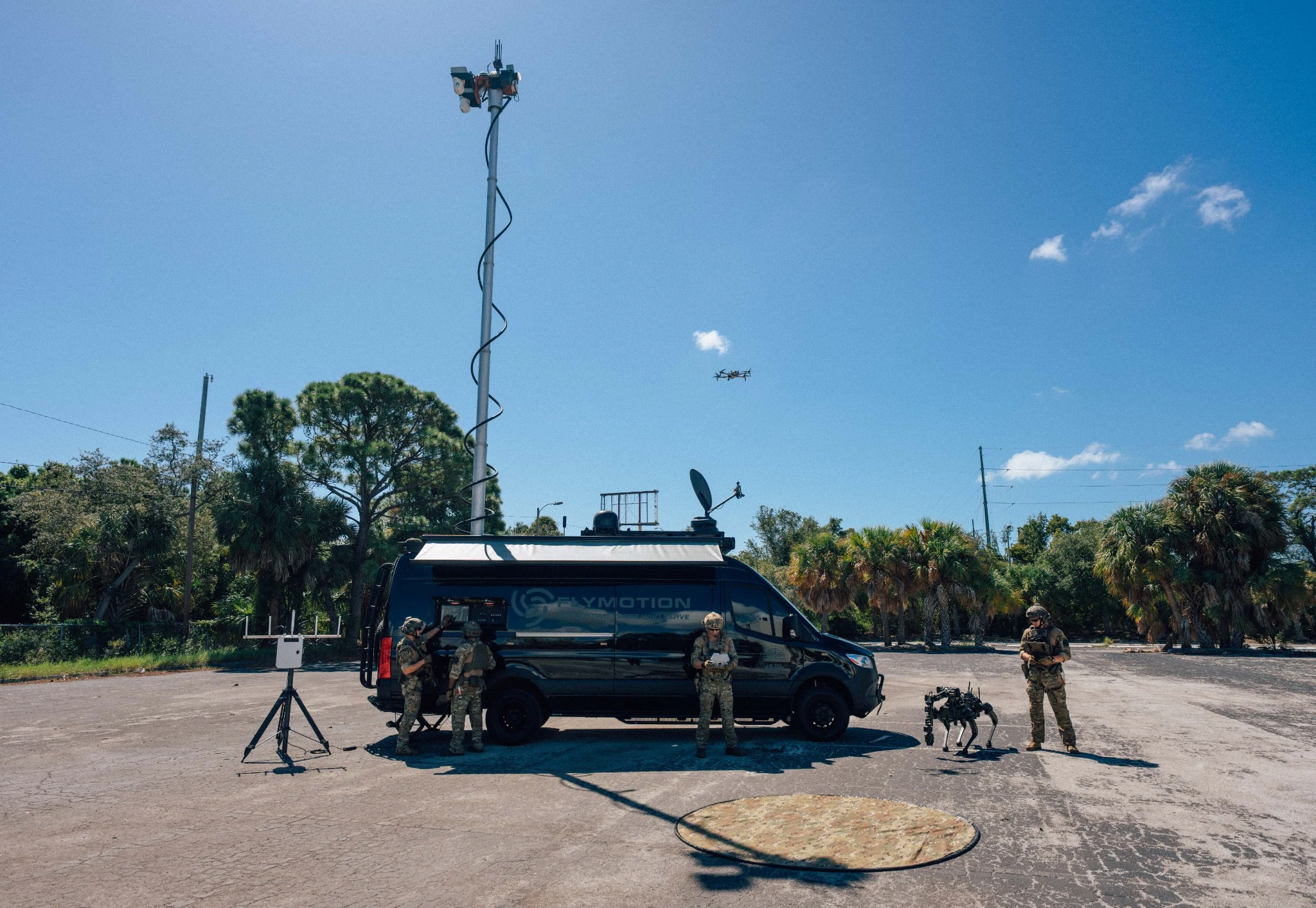

The FY2027 C-UAS Grant Program is a FEMA-administered grant that funds state, local, tribal, and territorial agencies to detect, identify, monitor, track, and mitigate unauthorized drones. It is the second and final $250 million round of a $500 million program established under the Working Families Tax Cut Act, 2025, and it operates under the authority of the SAFER SKIES Act and 6 C.F.R. Part 124.
The first round in FY2026 was limited to the 11 FIFA World Cup host states and the National Capital Region. This round opens funding to every state and territory, with a focus on building nationwide detection and response capacity and supporting the 2028 Summer Olympics and Paralympics.
The State Administrative Agency in each state or territory is the only entity that submits an application to FEMA, and each SAA submits one consolidated application. Every other agency takes part as a subrecipient.
Eligible subrecipients include state agencies, city and county governments, law enforcement, correctional agencies, fire services, EMS, emergency management, and other qualifying public safety organizations. Regional and intergovernmental consortiums can also receive subawards. Agencies that received FY2026 funding can apply again to expand or sustain existing capability.
One rule shapes every project that includes mitigation or certain RF detection: the application must name a state or local law enforcement or correctional agency as the designated operating agency. Only that agency’s certified personnel can operate the equipment.
Allocations are set in Appendix I of the NOFO. Each state, Puerto Rico, and D.C. receives a statutory minimum, with additional funding based on the DHS Terrorism Risk Methodology and the expected effectiveness of proposed projects. Final allocations range from $822,338 for the Northern Mariana Islands to $18,665,396 for California. Most states fall between roughly $3.4 million and $6 million, with larger amounts going to states such as New York, Texas, and Florida.
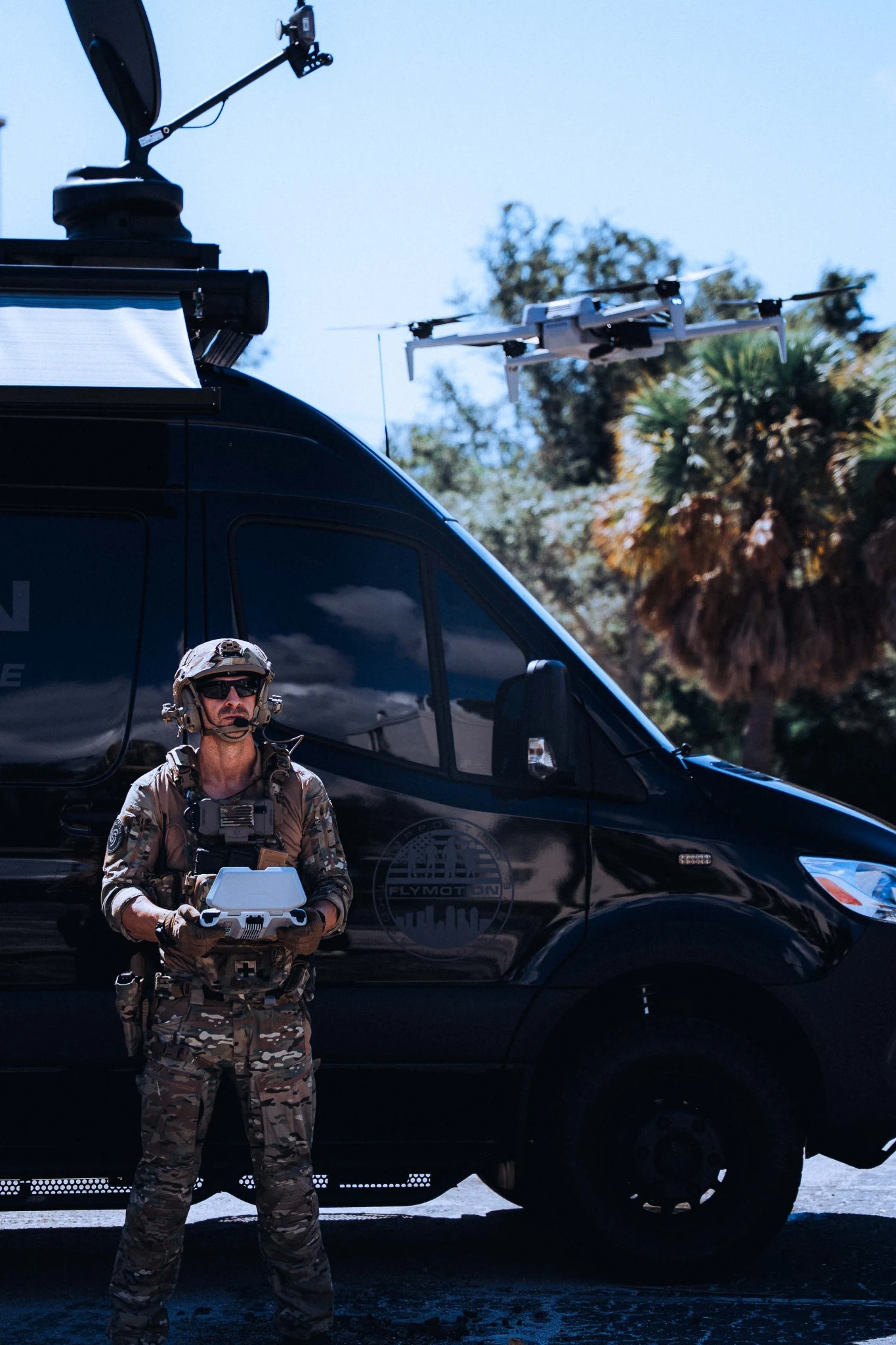
Allowable costs fall under planning, organization, equipment, training, and exercises. FEMA’s performance targets suggest roughly 70% of funds going to equipment, 10% to contracted C-UAS services, and 20% to training. Eligible uses include:
Unallowable costs include non-mobile mitigation equipment, general-use vehicles, general-use software and computers, recurring operating costs, proof-of-concept projects, and weapons. Drones made or assembled by covered foreign entities cannot be purchased or operated with these funds.
DHS reviewers score each project on a 100-point effectiveness checklist. The heaviest weight goes to event support and mitigation, but detection, connectivity, and implementation speed all add up.
A detection-focused project can still score well by combining multiple sensor types, connectivity, a software layer, and a fast deployment schedule.
The FBI’s National Counter-UAS Training Center (NCUTC) is the sole certifying authority, and FEMA verifies status directly with the NCUTC.
Enrollment makes an agency eligible to purchase, not to operate. Before operating under 6 U.S.C. § 124n, the agency must complete accreditation by adopting an implementation policy, obtaining legal review, and attesting through the Federal C-UAS Coordination Portal, renewed annually.
Recipients must also share relevant detection data with DHS and federal C-UAS partners, agree to provide mutual aid to other states (including for LA 2028), and report usage metrics such as system hours, detections, and investigations launched. Confirm that any vendor contract supports the required data sharing before it goes into your budget.
The federal window is 31 days, and SAAs will set earlier internal deadlines. Pre-award costs are not allowed, so no grant-funded spending can begin before the anticipated December 10, 2026, award date.
There is no single C-UAS system that fits every jurisdiction. A metro area supporting a torch relay route has different coverage, mobility, and staffing needs than a rural county protecting critical infrastructure. FEMA’s scoring reflects that by rewarding layered, well-integrated projects over isolated sensors.
FLYMOTION works with agencies to identify the right combination of detection, identification, and mitigation technology for their mission and budget, rather than starting from a single product. The FLYMOTION team has supported counter-UAS operations since 2017, including New Year’s Eve support for the NYPD and SFPD, along with fixed airport and stadium installations.
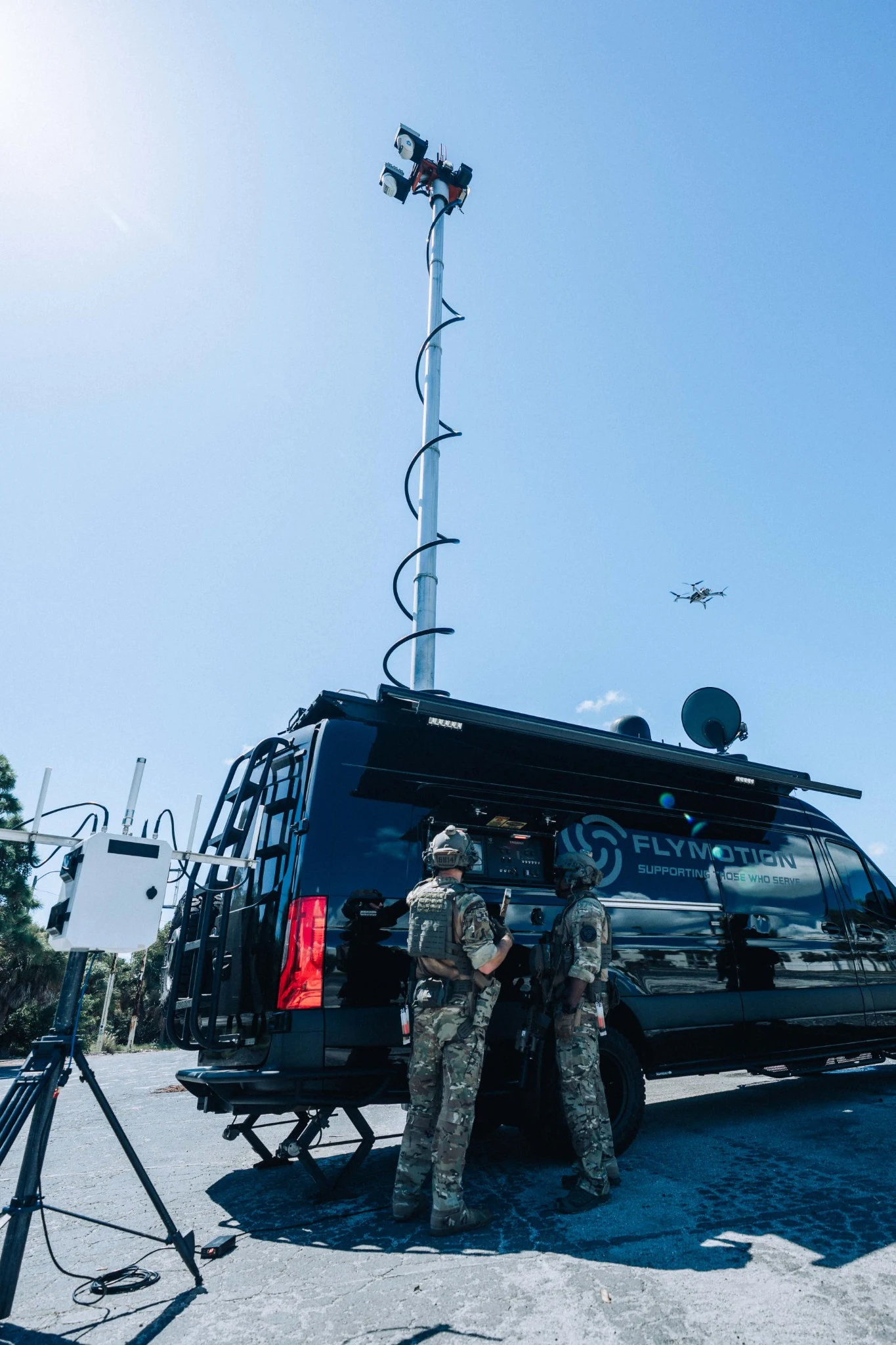
Most recently, FLYMOTION supported counter-UAS readiness for the 2026 FIFA World Cup. FLYMOTION delivered a TRIDENT mobile command platform with an integrated support trailer to the New Jersey State Police, which used it operationally during the World Cup for drone detection, RF spectrum awareness, and multi-agency command and control.
The Massachusetts State Police also received a TRIDENT platform configured for C-UAS operations, including drone identification, Remote ID monitoring, and layered airspace awareness, and used it operationally during the World Cup.
Several other agencies are building dedicated counter-drone command vehicles to strengthen their event security posture. That same event-focused approach applies directly to the FY2027 round, where support for LA 2028, the torch relay, and other NSSE and SEAR events carries the most scoring weight.
Mobility is central to this grant. Mitigation equipment must be mobile, and deployment and connectivity elements earn points on their own. FLYMOTION’s command vehicles are built for that kind of field operation:
FLYMOTION also offers C-UAS training, including sUAS threat assessment, counter-sUAS operations planning, and red team exercises. These courses can support the role-based training and exercise components of an application but do not replace required NCUTC certification.
The FY2027 C-UAS Grant Program is the second and final round of this $500 million federal investment, and it is the first time every state and territory is eligible. With a November 16 federal deadline and earlier state deadlines, agencies that wait risk missing the window entirely.
The strongest applications will be built around a clear operating concept: what you need to detect, where you need coverage, who will operate the system, and how quickly you can deploy it.
Contact FLYMOTION to discuss C-UAS solutions that fit your jurisdiction, your event calendar, and your grant timeline.
SAA applications are due in FEMA GO by November 16, 2026, at 5:00 p.m. ET. Local agencies should expect earlier internal deadlines from their SAA and should contact them as soon as possible.
No. Only the State Administrative Agency submits to FEMA. City, county, tribal, and state agencies participate as subrecipients and must coordinate their requests through their SAA.
No. There is no cost share or matching requirement for the FY2027 C-UAS Grant Program.
Yes, with conditions. Mitigation equipment must be mobile, fall within a category on the federal Authorized Technology List, and be operated by certified personnel from an accredited law enforcement or correctional agency. Fixed-site mitigation is not allowed.
General-use vehicles are not allowed. Purchasing and modifying vehicles to carry vehicle-mounted C-UAS systems is allowed, as are vehicles and trailers dedicated to transporting C-UAS equipment. Agencies should confirm specific vehicle configurations with their SAA.

Sales, training & support for drones, robotics & technology.